How Can the Best School in Kanpur Prepare Students for Changing Career Opportunities

Careers shift these days faster than any textbook can keep up with. So, good marks on their own don't take a child very far. The better schools plan for this with science labs, a wide curriculum, counselling that starts early and mentors who stay involved. Kids figure out what they actually like, pick their stream without second-guessing it, and get used to the idea that the job they end up doing might not even exist yet.
Introduction
Parents around Kanpur keep asking the same question- what will my child actually be doing for a living in ten years? A lot of the jobs people hold now weren't around when their own parents left school, and the next ten years will throw up things nobody has thought of yet. The best school in Kanpurcan't tell you which careers will still be here, however, it can teach a child to think straight. Allenhouse Public School is a CBSE School in Kanpur, so the national syllabus sits at the centre, and the labs, counselling and newer subjects are built around this approach.
What skills do students need for future careers?
Students must be good communicators, good problem solvers, comfortable with technology, financially literate and adaptable to handle work that is constantly changing. Marks still matter but employers now look at how a person thinks or explains an idea and learns a new tool as much as marks. When the best school in Kanpur develops these habits early, kids leave with more doors open to them, no matter what line of work they end up in.
Communication- speaking clearly in class, in group work and in an interview
Problem-solving- taking a big problem apart into smaller steps you can actually try out
Digital comfort- handling everyday software, making sense of simple data and seeing how basic code behaves
Financial awareness- getting the hang of budgets, saving and paying for things online
Flexibility- keeping your head when plans change, which they always do
Not one of these grows on its own. A child needs to speak in front of people again and again, make small calls of their own and bounce back after getting something wrong. If a school sets up those chances on purpose, the skills turn into habits instead of staying as good intentions.
Which skills matter most in changing job markets?
The skills that carry across industries count the most, because plenty of people switch direction two or three times before they retire. Being able to reason through something, write clearly, work with others and stay curious lets a learner move into a new field without going back to zero. Subject knowledge gives you the floor to stand on, but how you cope with work you've never done before comes down to those portable habits.
Practise one skill across different subjects. Write up a science experiment one month, then present a history topic the next
Say one idea out loud every week, even if the only person listening is someone at the dinner table
Keep a folder of finished projects, certificates and a line or two on what went fine and what didn't
How does Allenhouse Public School build these skills?
At Allenhouse Public School, Rooma, we build these skills through the ACHIEVER curriculum, hands-on activities and mentoring that runs right through the year. Children undertake problem-solving tasks, creative projects and co-curricular work each term. Teachers are sensitive to each child’s progress, so gaps are noticed early and help is given to a student before a small weak spot becomes a real one. And all of this put together, make us the best school in Kanpur.
ACHIEVER curriculum includes 8 areas such as advanced academics, entrepreneurship and creative co-curricular work
Life skills – problem solving, creative thinking and talking things through, embedded in regular lessons, not taught separately
Mentorship- each child has a mentor who follows their progress and steps in when something starts to slip
How does technology prepare students for emerging careers?
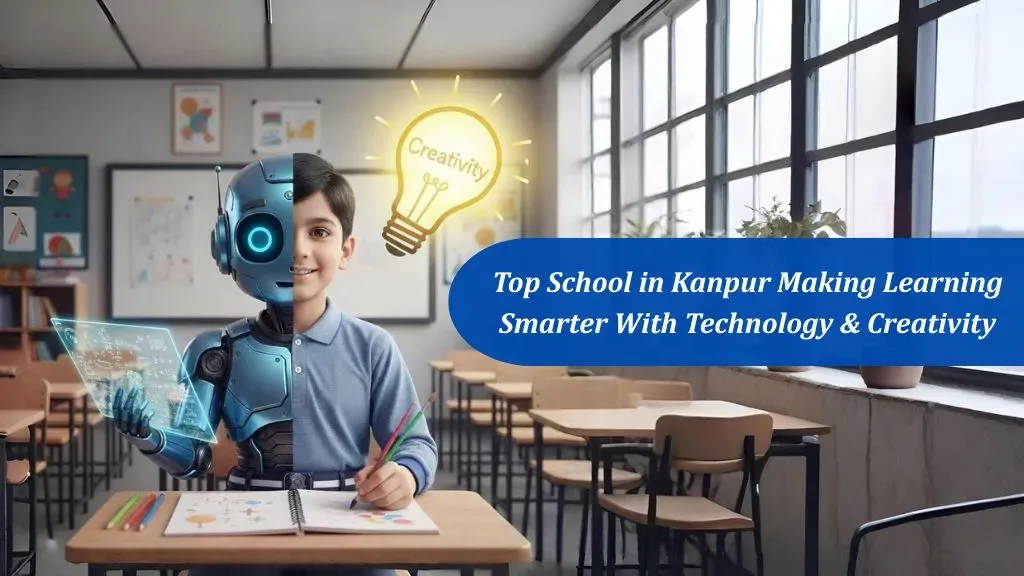
Getting their hands on technology shows students how a lot of work actually happens now, whether that's writing code, setting up automation or handling data and design tools. Trying it out early takes away most of the nerves around unfamiliar software. A child who builds a robot, tests a prototype and works on a digital screen picks up the kind of logical thinking that turns up again in engineering, science, healthcare and a good few other jobs.
Innovation hub- a room set aside for building prototypes, block-based programming and automation tasks
STEM and Robotics Labs - Get hands-on experience with coding, robotics and science experiments
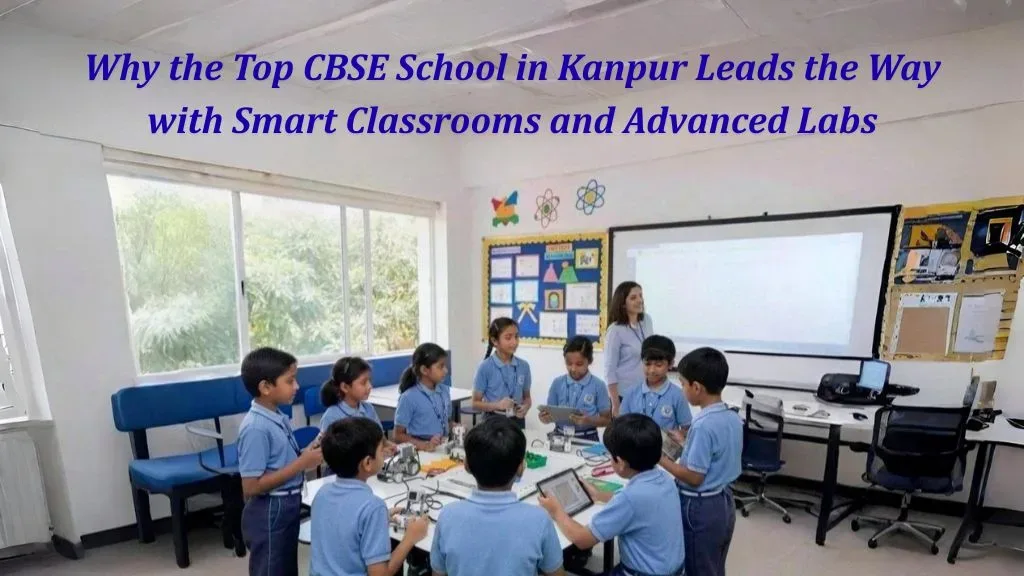
Smart classrooms - digital screens and video that help to visualise and review difficult topic
Technology is at its best when it sparks a child’s wonder. A robot rolling from side to side of a table teaches very little unless the learner asks why it rolled, what happened when one line of code was different, or what it would do on a bumpy surface. When a teacher keeps asking questions like this he turns a lesson about a gadget into real thinking.
What do you teach in a STEM and robotics lab?
A STEM and robotics lab teaches kids to test an idea rather than memorise an answer. They create simple machines, write a bit of code and see what happens as they change one thing at a time. A few months in and it builds patience, an appreciation for doing things in order and the habit of checking what you assumed, all of which follow a student into engineering, healthcare, data work and plenty of jobs with nothing to do with STEM.
Students take a guess, run the test and write down what really happened
Small coding exercises provide sequences, conditions and loops where you can immediately see the result
Building things together teaches them how to share the work, make small deadlines and be responsible for their part of it
Why do smart classrooms help career readiness?
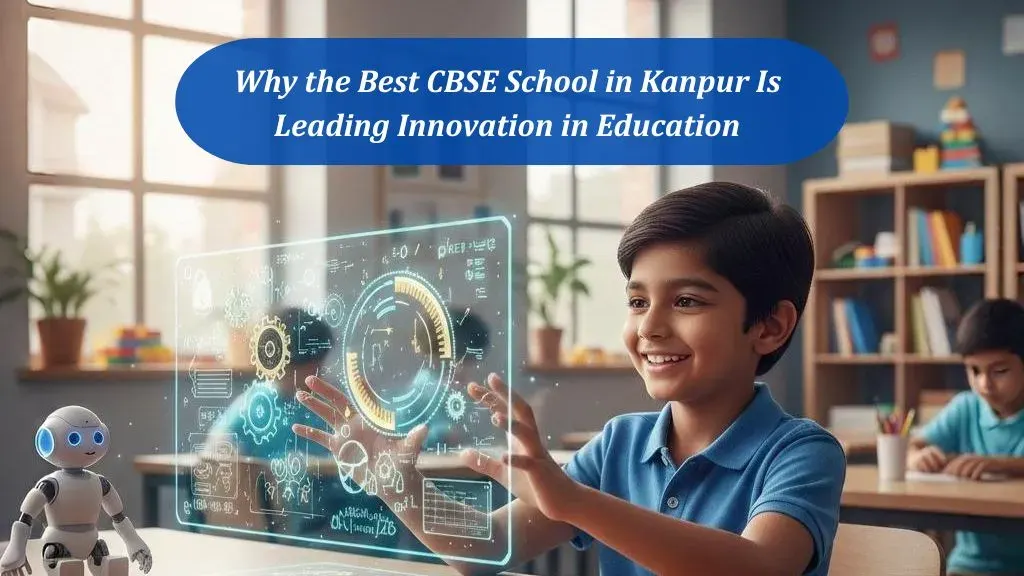
Smart classrooms put students in front of the same kind of digital tools a lot of working people use every day. Touchscreens and video make a tough topic easier to see and to come back to later. Once a child can find information online, check whether it holds up and put it to use, they work more on their own, and that pays off in nearly any job they go into.
Interactive screens let students see a cell, a river system or how a machine works instead of only reading about it
They learn to tell whether a source is worth trusting, something most grown-ups wish someone had shown them earlier
Video lessons let a child replay the hard bits at their own speed instead of falling behind and saying nothing about it
How should career counselling start for students?
Career counselling ought to start in middle school by mapping out what a child likes and where their strengths lie, then dig deeper around Classes 9 and 10 when the stream decision comes up. Talking to parents and teachers early gives a student the time to choose with some confidence, instead of settling on a stream three weeks before the form is due. It's something that runs on and on, not one aptitude test or a last-minute scramble before the boards.
Read that table as a rough map, not a timetable. One child knows what they want in Class 6. Another only works it out in Class 11, and there's nothing wrong with that. Counselling should bend to the child. No one should be nudged into a stream that doesn't fit just because the calendar says it's decision time.
When should career counselling begin?
It should start in middle school, long before the stream choice forces anyone's hand. Early chats give a child time to notice what they like and what comes easily, rather than copying a cousin's stream or going with whatever subject a parent favours. When the school and the parents work to the same rough timeline, expectations stay sensible and there's still room to change tack.
Begin with a short questionnaire about interests and an easy chat at home, not some make-or-break test
Treat aptitude results as a way to start talking, not a verdict handed down
Go over how things stand at the end of each term with the student and parents both there
How do mentors track student progress?
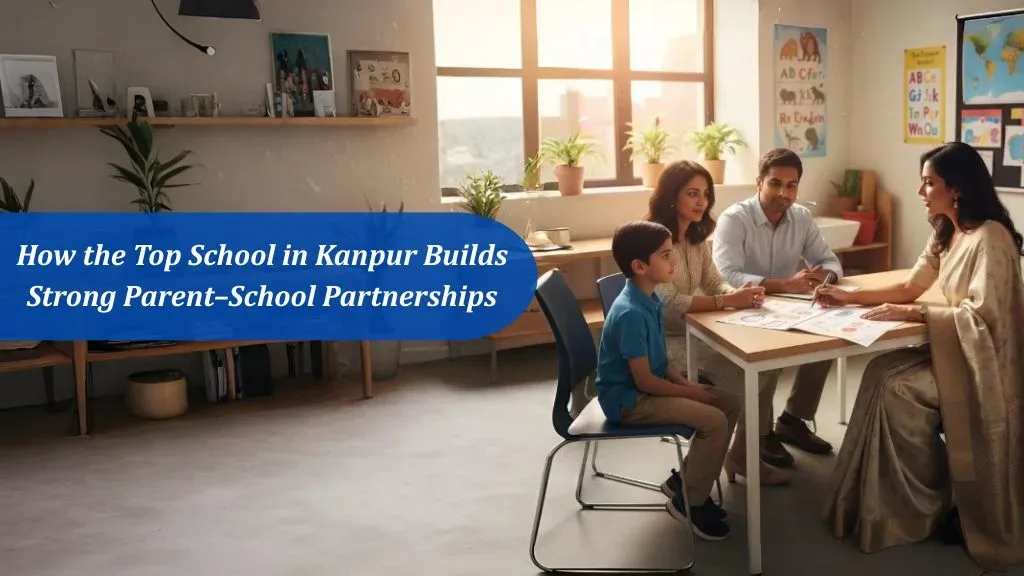
Mentors look over marks and test results, notice how a child joins in during class, and sit down with each student at set points through the year. The point is to spot a learning gap early and hand over a clear, doable next step rather than a vague pep talk. Good mentoring feels like someone on your side, which is why students stay honest about what they're finding hard.
Mentors check in across the year, not just the week before report cards land
A learning gap gets flagged and worked on as soon as it shows up
Students set their own goals with a mentor and come back to them each term
How can future-ready subjects open new paths?
Newer subjects introduce students to fields that are growing quicker than a lot of the usual options. Artificial intelligence, fashion studies and legal studies all sit alongside the CBSE base at Allenhouse Public School, Rooma, and each one ties classroom work to how the job is actually done. A student who tries them before Class 11 picks a higher-education path because they know the field a bit, not because they're guessing.
Artificial intelligence- brings in logic, working with data and the awkward questions about where technology should and shouldn't go
Fashion studies- links design with business calls, sustainability and the way trends travel from one market to another
Legal studies- builds close reading, orderly reasoning and a working grasp of rights and civic duties
These subjects sit on top of a solid core, they don't replace it. A child who's serious about design still needs decent reading and maths to make a go of it. A firm base keeps the options open when a student's interests move around during school, which they often do, sometimes sharply and for good reason.
Which subjects reflect emerging careers?
Topics around data, design, sustainability and public service are in line with areas where jobs are being added right now. A student who spends time in them becomes familiar with the vocabulary, tools, and types of questions in each field long before they get to college or the workplace. And if they do land somewhere else entirely, the mindset they picked up is still out there.
Data and analytics- reading a spreadsheet, interpreting a chart and understanding what a simple statistic is really saying
Design and media- thinking in pictures, making layout choices and telling a story through images and the way a thing is put together
Public service and law- reasoning in an orderly way, knowing your rights and being able to read a formal document without skimming
How does a structured curriculum support choice at the best school in Kanpur?
A curriculum with a clear shape gives students a firm footing in the core subjects while still leaving real space for electives and project work. Good marks in the foundation subjects keep the doors to engineering, medicine, commerce and humanities open. Electives then let a child try an interest on for size before they commit to it in Class 11 or later.
Core subjects- build the reading, number sense and writing that every path needs sooner or later
Electives- a low-risk way to test an interest in arts, technology or languages before the choice is locked in
Projects- set a classroom topic against a real local problem and ask the student to do something with it
How can students build entrepreneurial and employability skills?
Students build the skills to run something or to get hired by doing them, not by sitting through one workshop on the subject. Business simulations, short pitches, mock interviews and time at the mic take a child from grasping an idea to actually pulling it off. There's grit in it too, because they learn to take feedback and carry on, and no chapter in a textbook quite manages to teach that.
Pitch practice- a child presents a simple idea, hears exactly what to fix and presents it again
Problem-finding- they learn to notice something that isn't working and put forward a fix that might
Risk assessment- before a project starts, they talk through what could go wrong and what they'd do about it
Getting hireable happens in small steps. Every presentation, group task or little project adds to a track record an interviewer can ask about. Students who start early hardly ever feel caught out when internships come round. They also take a knock-back better, having already felt one in a classroom where it didn't cost much.
How can students be taught to think like an entrepreneur?
Students get used to finding problems, proposing fixes, and being honest about what didn't work. The habit of thinking like a founder develops. Simulations, fast product-making tasks and pitch rounds at school provide a safe environment for them to practise. After a few months they start asking harder questions about cost, who would actually buy it, and if the idea solves anything real.
Problem spotting- write down 3 problems that happen at home or school each week and think about who has them and why
Simple prototypes- make a poster, a model of a product or a plan to improve something about school itself 4.
Reflection- Document what worked, what didn't and one clear thing to change next time
What skills do interviewers look for in terms of employability?
They want you to speak clearly and have good manners. It’s as simple as showing up on time and being honest about what they’re good at and what they’re not good at, and showing some sign they’ve learned something from doing things. A candidate who can work off a script, and walk through a project in simple words is a head turner. Play enough rounds and the nerves will go away.
Email and message manners - a clear subject line, a polite but direct tone and a reply that actually arrives in time
Time management - being ready and meeting deadlines because you tracked it yourself, not because someone chased you
Digital footprint- profiles that appear professional and posts that would not land you in trouble in an interview
Financial sense – keeping a basic budget, understanding what a deduction on a payslip means and how online payments work
Conclusion
Look for a school that grows a child's thinking, speaking and practical skills next to solid academics. The best school in Kanpur should send children out with real options, not only a certificate and a board score. Careers will keep moving, and the children who manage best are the ones taught to adapt, not the ones who crammed the most.
Picking a school is one of the biggest calls a family ever makes. When you visit, ask pointed questions- how does the mentoring work, when does counselling start, what do the labs actually teach a child. Watch how the students talk about their own learning. Those small things tell you more than a rank on a results chart.
Your Queries Answered
1.How can students prepare for their future career?
Start poking around their interests and strengths in middle school. Build up speaking, digital and problem-solving skills through projects. Keep a record of work, certificates and anything they've achieved. The best school in Kanpur should back this up with counselling, hands-on learning and a mentor they see regularly.
2.How to do career counselling for students?
It starts with interests and aptitude. Talk through possible courses, careers and entrance exams with the student and the parents together. Then come back to the plan now and then as the child's interests shift. A school can help by running counselling properly instead of saving all the guidance for the run-up to the boards.
3.Which skills matter most for future jobs?
Communication, problem-solving, being comfortable with technology, a bit of money sense and the willingness to adapt are worth having in almost any job. They stay useful even as technology reshapes particular roles. The best school in Kanpur should grow them through class activities, projects, presentations and real problems to crack.
4.What subjects should students choose for future careers?
Pick subjects around what the student is good at, what they like and where they want to head. Keep the core options open where you can, then use electives to test out particular fields. Something like artificial intelligence, legal studies or fashion studies lets a child try an interest before they make the big academic calls.
5.What is a good way to build employability early?
Give students regular chances to plan, lead, speak up and see a task through. Class duties, competitions, presentations and running an event all build the habit. A leading school in Kanpur should make that part of the ordinary school year, so a child has some confidence long before their first interview.